How Fast Do You Lose Weight on Keto? A Realistic Timeline
So — how fast do you lose weight on keto? It's the first thing almost everyone asks before starting, and the honest answer is: faster than you'd expect in week one, then slower and steadier after that. Here's a realistic, week-by-week picture instead of the "10 pounds in 10 days" claims you'll see elsewhere.
Week 1: mostly water weight
Carbohydrates are stored in your body bound to water — roughly 3-4 grams of water for every gram of stored carb (glycogen). When you cut carbs sharply, your body releases that stored glycogen fast, and the water goes with it. Many people report losing 2-6 pounds in the first week. That's real weight off the scale, but it's mostly water, not fat.
Weeks 2-4: ketosis kicks in, fat loss becomes the main driver
Once your body has shifted into ketosis and glycogen stores have emptied out, the week-to-week number on the scale starts to reflect actual fat loss more than water. A sustainable pace from here is typically 1-2 pounds a week — similar to what's generally recommended for any calorie-deficit approach, keto included.
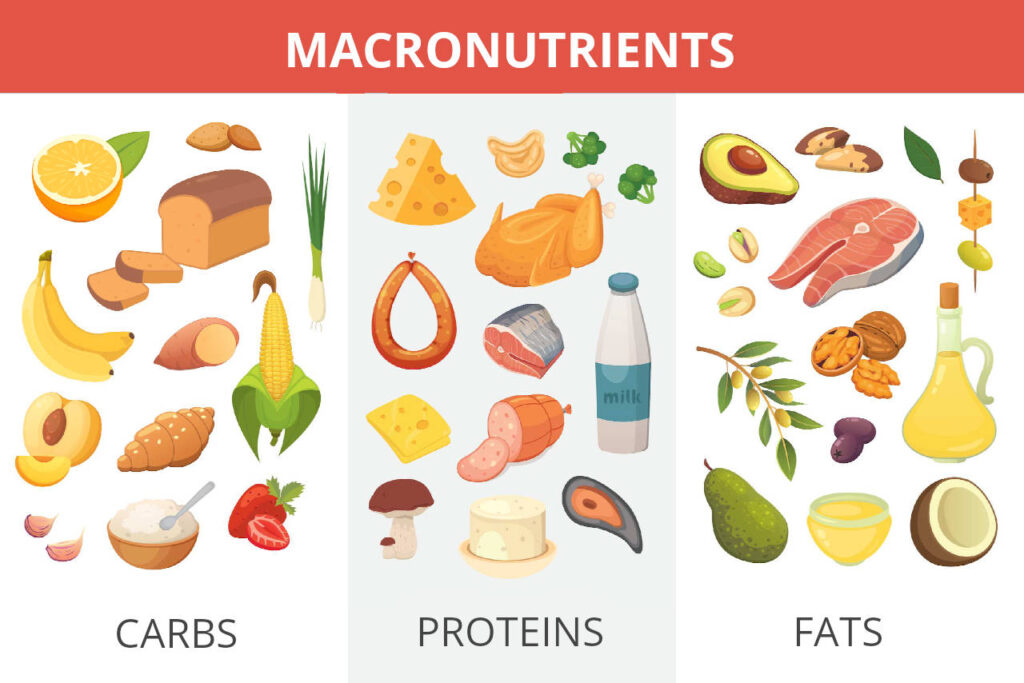
A roughly 73/22/5 split keeps you satiated on fewer calories without needing to count every bite — see our macro guide to set your own numbers.
Month 2 and beyond: the pace evens out
As your total body weight drops, your calorie needs drop too — so the same eating pattern that drove fast early losses will naturally slow down over time. This isn't a sign keto has stopped working; it's just how weight loss works for any approach as you get closer to a stable weight.
What actually determines your speed
- Your starting point. People with more weight to lose often see faster initial drops.
- How strict you are with carbs. Staying consistently in ketosis matters more than any single "perfect" day.
- Sleep and stress. Both affect water retention and can make week-to-week numbers misleading even when fat loss is on track.
- Whether you're tracking macros. Guessing tends to stall progress faster than almost anything else — see our guide on common keto mistakes for the full list.
Signs you're losing fat, not just water
The scale is a noisy signal in the first few weeks — daily fluctuations of a pound or two from water, sodium, and hormones are normal and don't mean much on their own. Better signs that fat loss is actually happening include your clothes fitting looser, waist measurements trending down over 2-3 weeks (not day to day), and steady progress on a 7-day rolling average of your weight rather than any single morning's number.
What a healthy pace looks like for different starting points
Someone with significantly more weight to lose often sees a faster early pace simply because a larger body burns more calories at rest, creating a bigger natural deficit at the same intake. Someone closer to their goal weight will usually see a slower, more gradual pace from the start — and that's expected, not a sign anything is wrong. In both cases, 1-2 pounds a week after the initial water-weight drop is a reasonable, sustainable target rather than something to rush past.
The bottom line
Expect a fast first week driven by water, then a steadier 1-2 pounds a week as fat loss takes over. That pace isn't glamorous, but it's realistic and far more likely to stick than an approach built around a dramatic first-week number. Results vary by individual, and keto isn't the right fit for everyone — check our medical disclaimer and talk to a healthcare provider before making major changes to your diet, especially if you have an existing health condition.
Progress stalled already?
Here's what's usually behind a keto weight-loss plateau — and how to break it.