What Is Ketosis, and How Do You Know You're In It?
If you've just started keto, the question on everyone's mind in the first week is the same: how do you know if you're in ketosis? It's not always obvious from the outside, and the signs can be easy to miss or mistake for something else. Here's what actually changes in your body, and how to tell.
What ketosis actually is
Ketosis is a metabolic state where your body, running low on carbohydrates, starts breaking down fat into molecules called ketones and burning those for energy instead of glucose. It's not a switch that flips instantly — it's a gradual shift that usually takes a few days of consistently low carb intake to really kick in.
The real signs you're in ketosis
Most people notice a cluster of these within the first one to two weeks:
- A change in breath. Often described as fruity, metallic, or acetone-like — this is "keto breath," caused by one of the ketones your body produces.
- Reduced appetite. Many people find they're simply less hungry once their body adapts to burning fat.
- A short energy dip, then a rebound. The first few days can feel sluggish as your body switches fuel sources; once it adapts, many people report steadier energy than they had on carbs.
- Mental clarity. Ketones are an efficient fuel for the brain, and a lot of keto dieters report feeling noticeably sharper once they're fully adapted.
- Mild initial water loss. Carbs hold onto water in the body, so cutting them often causes a quick early drop on the scale that isn't fat loss.
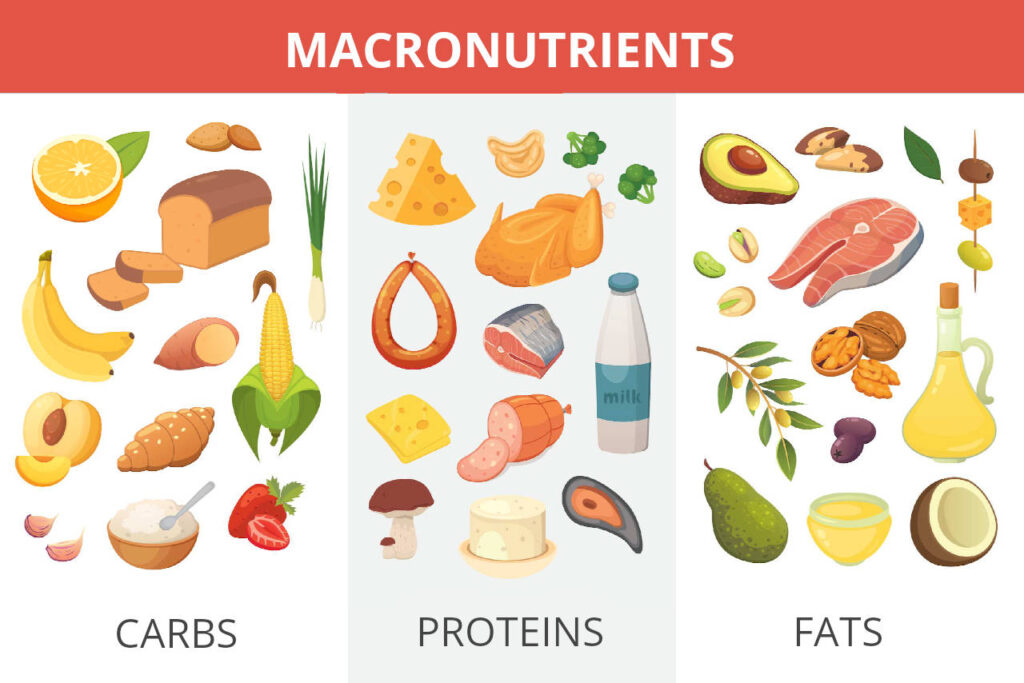
A roughly 75% fat / 20% protein / 5% carb split is the macro range most people need to hold to reach and stay in ketosis.
How to actually test it
If you want more certainty than symptoms alone, there are three common ways to measure ketone levels:
- Urine strips. Cheap and simple, but less accurate as your body adapts over time (it gets more efficient at using ketones instead of excreting them).
- Blood ketone meters. The most accurate option, measuring beta-hydroxybutyrate directly in a drop of blood, similar to a glucose meter.
- Breath meters. Reusable and non-invasive, measuring acetone in your breath — a reasonable middle ground between the other two.
None of these are required to "do keto right" — most beginners get enough signal from symptoms plus consistent macro tracking alone.
If you're not seeing any signs yet
It's common to not notice much the first few days — that's normal, not a sign something's wrong. If it's been more than two weeks with no change at all, double-check your actual carb intake (hidden carbs in sauces and packaged food are the usual culprit) against our keto food list, and make sure you understand roughly how long it typically takes to get into ketosis before assuming it isn't working.
The bottom line
You don't need to obsess over a single sign — ketosis usually announces itself through a combination of breath, appetite, and energy changes over the first couple of weeks. Testing can confirm it if you want hard numbers, but for most beginners, consistent macros and a little patience are what actually get you there.
Wondering how long this takes?
A realistic timeline for getting into ketosis, start to finish.