Keto and Intermittent Fasting: Should You Combine Them?
Keto intermittent fasting — pairing a low-carb, high-fat diet with a restricted eating window — is one of the most common combinations beginners ask about once they've got the basics down. The two aren't the same thing, but they do work well together for a specific reason. Here's how, and whether it's worth trying.
What intermittent fasting actually is
Intermittent fasting (IF) is an eating pattern, not a diet — you eat within a set window (commonly 8 hours) and fast for the rest. It doesn't dictate what you eat, just when, which is why it pairs naturally with keto rather than competing with it.
Why keto makes fasting easier
One of the more commonly reported benefits of keto is reduced hunger between meals, since fat and protein are more satiating than carbohydrates and don't spike blood sugar the same way. Many people find that once they're fat-adapted, going 14-16 hours without eating feels far more manageable than it would on a higher-carb diet.
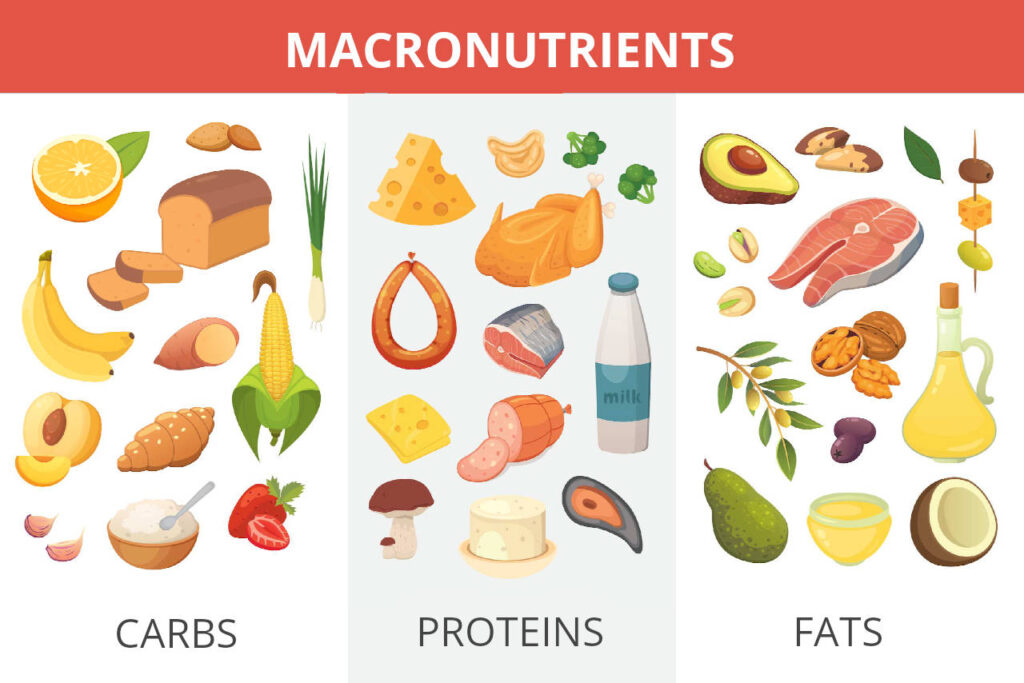
Fasting changes your eating window, not your target ratio — still aim for your usual keto split within that window.
Common ways to combine them
- 16:8. Eat within an 8-hour window, fast for 16 — the most common starting point.
- 18:6 or 20:4. A narrower window for people who've adapted well to 16:8.
- One meal a day (OMAD). A more advanced approach some experienced keto dieters use; not a good starting point for beginners.
Who should be cautious
Combining a restrictive diet with a restrictive eating window isn't the right starting point for everyone. It's generally not recommended for pregnant or breastfeeding people, anyone with a history of disordered eating, or people managing diabetes or other conditions where blood sugar needs close monitoring. If any of that applies to you, talk to a healthcare provider before combining the two — see our medical disclaimer.
How to start, if you want to try it
- Get comfortable on keto first — give it at least two to three weeks before adding fasting on top.
- Start with a mild window like 14:10 rather than jumping straight to 16:8.
- Keep your usual macro targets — just compress when you eat them.
- Drink plenty of water and black coffee or tea during the fasting window; both are generally fine and won't break a fast.
Common mistakes when starting
The most common one is combining both changes on day one — starting keto and a tight fasting window at the same time tends to compound the "keto flu" adjustment with hunger and low energy from fasting, making the first week much harder than it needs to be. The second is under-eating overall: a shorter eating window can accidentally turn into eating too little food, which isn't the goal and can leave you fatigued rather than simply adapted. Aim to hit your usual calorie and macro targets within the shorter window, not less than that.
The bottom line
Keto and intermittent fasting complement each other well for many people, mainly because keto's effect on hunger makes the fasting window easier to sustain. It's not required for keto to work, though — it's an optional add-on once the basics feel manageable, not a prerequisite.
Not sure your progress is on track?
Seven common reasons a keto weight-loss stall happens, and what to do about each.