Keto and Menopause: What Women Should Know
Hormonal shifts during menopause can change how weight, energy, and sleep behave, and that affects how keto and menopause interact for a lot of women. None of it rules keto out — but it's worth knowing what tends to be different before you start.
Weight loss may be slower
Declining estrogen during menopause is associated with a shift toward more abdominal fat storage and, for many women, a slower metabolism than before. This means weight loss on keto may move at a different pace than it did at 30 — that's a hormonal reality, not a sign the diet isn't working.
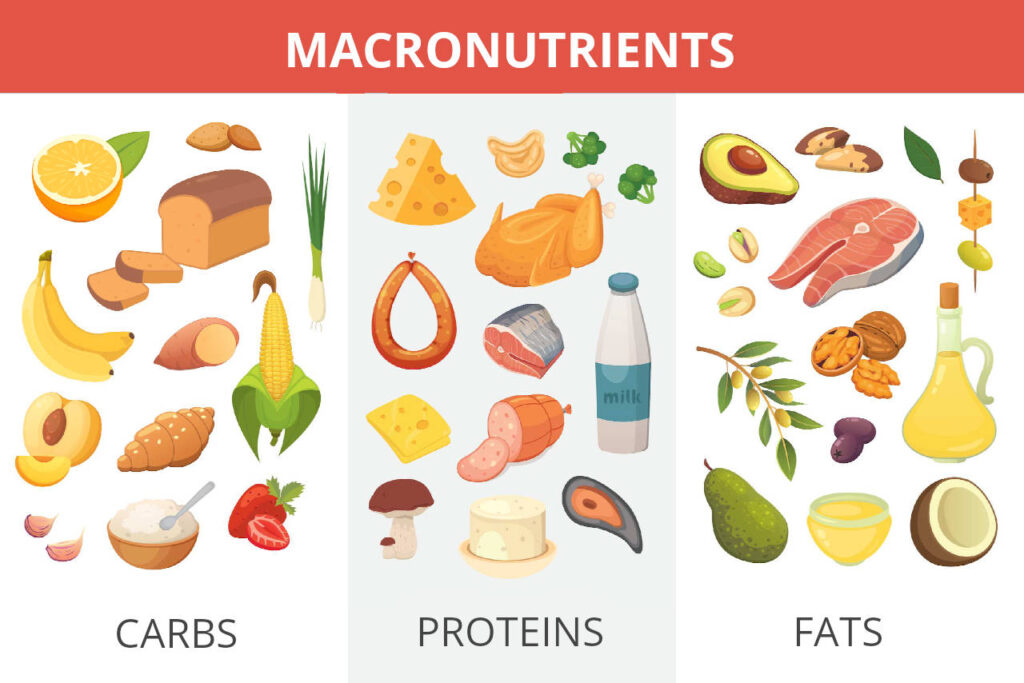
70% fat / 25% protein / 5% carb — the slightly higher protein can help many women preserve muscle mass during this stage of life.
Hot flashes and sleep
Some women report that cutting carbs helps stabilize blood sugar swings that can worsen hot flashes, while others notice no change — the research here is mixed and individual, so treat this as something to test for yourself rather than a guarantee.
Bone density is worth tracking
Estrogen decline already affects bone density during menopause, so it's worth discussing any major diet change, keto included, with your doctor — particularly if a bone density scan is already part of your care.
Electrolytes and keto flu may hit differently
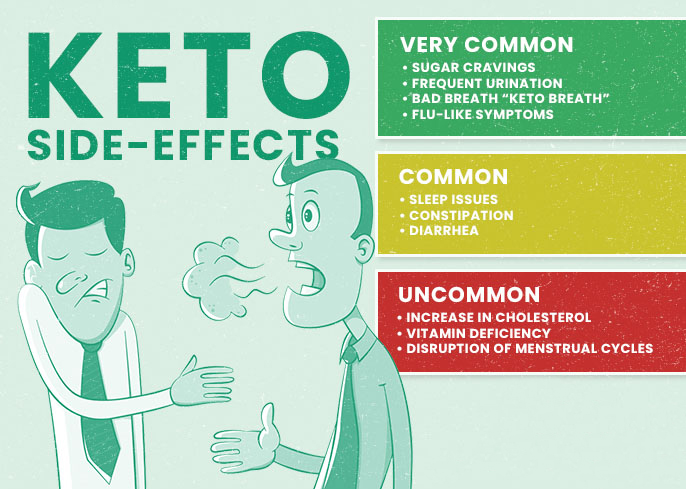
The usual keto adjustment symptoms — fatigue, headaches, irritability — can overlap with menopause symptoms, which makes it harder to tell which is which in the first couple of weeks. Staying ahead of hydration and electrolytes helps rule one of them out.
What to raise with your doctor first
- Any hormone replacement therapy you're currently on
- Existing cholesterol or blood pressure medication
- Bone density concerns, if applicable
- Any history of gallbladder issues, since a sudden increase in dietary fat can be relevant
See our full medical disclaimer — this article is general information, not a substitute for guidance specific to your own health history.
The bottom line
Keto can work during menopause, but expect the pace and some of the side effects to look a bit different than general advice suggests. A doctor who knows your history is the best person to help you adjust the approach — this guide is a starting point for that conversation, not a replacement for it.
Starting from scratch?
Our full beginner's guide covers the basics of what to eat and expect.