Keto Diet Over 50: What's Different for Beginners
The mechanics of a keto diet over 50 are the same as at any age — cut carbs, raise fat, reach ketosis — but a few things around it are worth adjusting. Slower metabolism, existing medications, and changes in muscle mass all shape how the diet should be approached a little differently.
Protein deserves more attention
Many people lose muscle mass gradually as they age, so getting enough protein matters more here than the classic "very high fat, moderate protein" keto ratio often assumes. Leaning toward the higher end of the protein range — rather than the bare minimum — is something many people over 50 find works better for maintaining strength.
65% fat / 27% protein / 8% carb — slightly higher protein than the classic ratio, which many people over 50 find supports strength better.
Medications and keto can interact
Blood pressure medication, diabetes medication, and diuretics are all common after 50, and all three can interact with the fluid and electrolyte shifts keto causes. This is the single biggest reason to loop in a doctor before starting — not because keto is unsafe generally, but because dosages sometimes need adjusting once your diet changes. See our full medical disclaimer for more on this.
Electrolytes matter even more
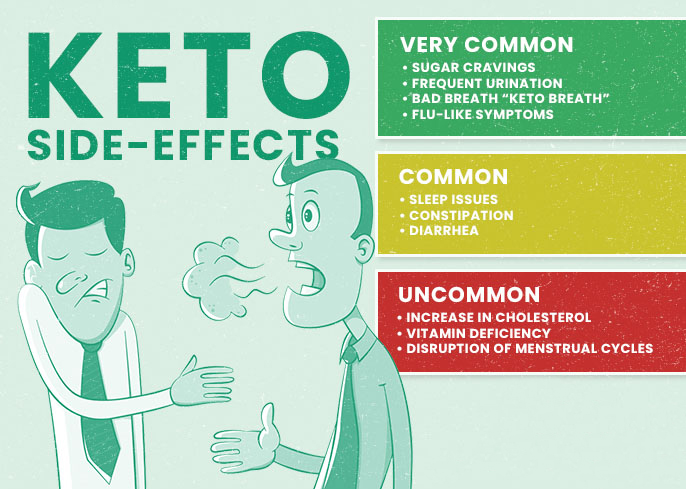
The electrolyte shifts common in early keto (see our guide to keto side effects) can be more noticeable if you're also on blood pressure medication. Many people find staying ahead of sodium, potassium, and magnesium intake — with a doctor's input if you're on medication — makes the first couple of weeks easier.
Bone health is worth a conversation
Research on long-term keto and bone density is still developing, and results vary by individual. If bone health is already a concern for you, it's worth raising specifically with your doctor before making a major dietary change, rather than assuming either way.
Expect a different pace
Weight loss and the adjustment period may move at a different pace than they would for a 25-year-old — that's normal and not a sign the diet "isn't working." Many people in this age group report success by giving the process more patience and focusing on how they feel rather than a specific timeline.
The bottom line
Keto can work well for many people over 50, with a bit more attention to protein intake, electrolytes, and any existing medications. Talk to your doctor before starting, especially if you take medication for blood pressure, diabetes, or heart conditions — they can help you adjust safely rather than guessing.
New to keto altogether?
Start with the basics — what to eat, what to skip, and how ketosis works.