Keto Diet for Women: How Weight Loss Differs by Hormones and Age
A lot of general keto advice is written as if every body responds identically, but a keto diet for women's weight loss often plays out a little differently than it does for men — largely because of hormonal cycles and how they shift across a lifetime. Here's what tends to vary, and how to work with it rather than against it.
Why hormones matter for keto weight loss
Estrogen and progesterone influence insulin sensitivity, water retention, appetite, and even carb cravings, and all four fluctuate across the menstrual cycle. That means weight loss on keto can look "stop and go" for many women even when the underlying habits haven't changed — the scale lags behind the actual fat loss.
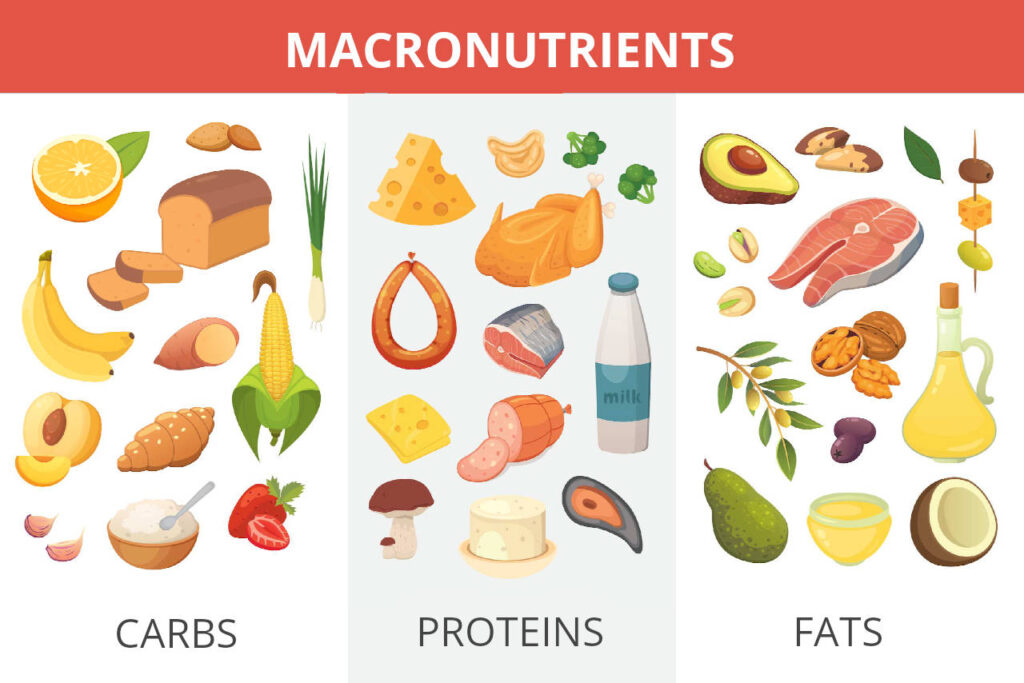
Many women find a touch more protein (around 24%) helps with satiety and muscle maintenance through hormonal shifts.
Across the menstrual cycle
In the week or so before a period, many women experience more water retention, stronger cravings, and a scale that doesn't move or even ticks up slightly — none of which reflects actual fat gain. Tracking trends over several weeks, rather than day to day, gives a much more honest picture than any single weigh-in.
Perimenopause and menopause
As estrogen declines, many women notice weight — especially around the midsection — becomes harder to shift at the same calorie intake that used to work. This is a well-documented shift in metabolism and fat distribution, not a sign that keto "stopped working." See our dedicated guide on keto and menopause for more detail on this stage specifically.
What tends to help
- Track trends, not single days. A weekly average smooths out cycle-related water weight swings.
- Prioritize strength training. Preserving muscle becomes more important for metabolic rate as estrogen declines.
- Revisit your macros periodically. What worked in your 30s may need adjusting in your 40s and 50s — recalculate rather than assume.
- Watch stress and sleep. Cortisol and poor sleep can both work against weight loss regardless of diet.
The bottom line
A keto diet for women's weight loss generally follows the same core principles as it does for anyone — a sustainable macro split and (usually) a calorie deficit — but hormonal cycles and age-related shifts mean results can look less linear than the "scale goes down every week" ideal. That's normal, not a sign of failure. If weight loss feels unusually difficult or you're dealing with symptoms beyond typical cycle changes, a doctor or registered dietitian can help rule out other factors — see our medical disclaimer.
Going through perimenopause or menopause?
Here's what specifically changes and how to adjust.