Loose Skin After Keto Weight Loss: What to Expect
Losing a significant amount of weight on keto is a real achievement, but it comes with a question a lot of people don't think about until it happens to them: what about loose skin? It's a common concern after fast or large weight loss, and this guide covers why it happens, what influences how much you'll have, and realistic ways to support your skin as you go.
Why loose skin happens
Skin stretches to accommodate fat storage, and like any stretched material, it doesn't always snap fully back once that volume is gone — especially after carrying extra weight for a long time. This isn't specific to keto; it happens with any method of significant weight loss, fast or slow.
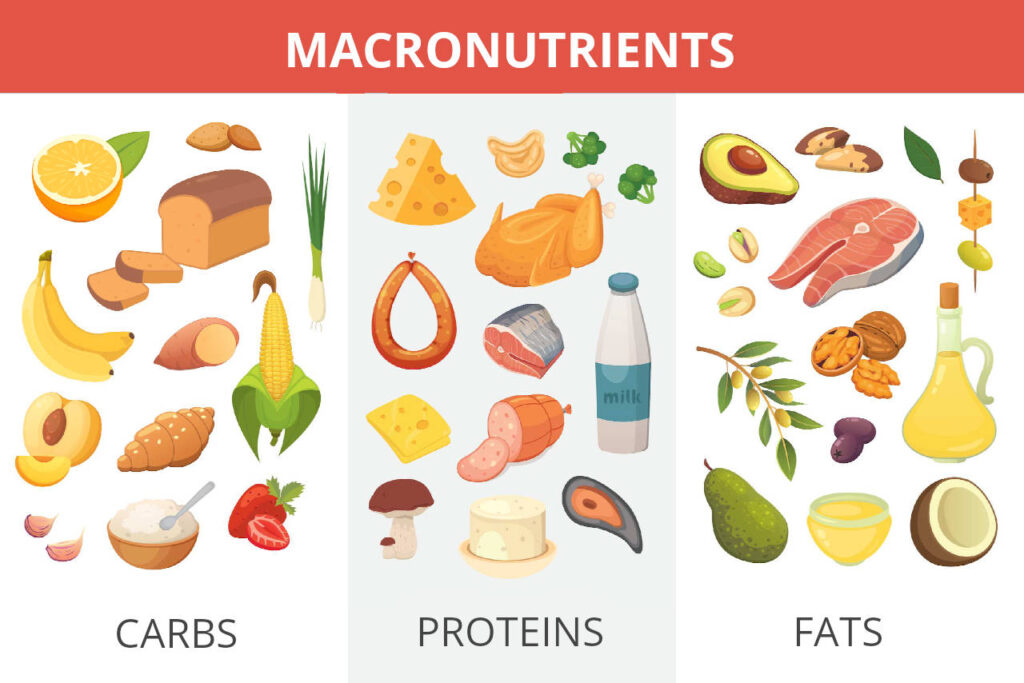
A slightly higher protein share (around 25%) supports the muscle and collagen-related processes tied to skin's structure during weight loss.
What influences how much loose skin you get
- Age. Younger skin generally has more elastin and retracts more readily than older skin.
- How much weight was lost. Larger total weight loss generally means more stretched skin to begin with.
- How fast the weight came off. Slower, more gradual loss tends to give skin more time to adjust, though it's not a guarantee.
- Genetics and sun exposure. Both affect skin elasticity independent of weight loss itself.
- How long the weight was carried. Skin stretched for many years has typically lost more elasticity than skin stretched more recently.
What may help
None of these guarantee results — skin response varies a lot person to person — but they're the realistic, non-surgical levers many people focus on:
- Strength training. Building muscle underneath loose skin can improve how the area looks and feels, even if it doesn't change the skin itself.
- Adequate protein. Supports the muscle mass that fills out the area beneath loose skin.
- Hydration and consistent nutrition. General skin health basics that support — but won't replace — your body's natural elasticity.
- Patience. Some retraction can continue for a year or more after reaching a stable weight, especially in younger people.
When surgery comes up
For some people, especially after very large weight loss, skin removal surgery is a real option worth knowing exists — but it's a significant medical procedure with its own risks and recovery, and it's a decision to make with a qualified surgeon, not something to self-diagnose as needed. If loose skin is affecting your daily life, your doctor is the right place to start that conversation.
The bottom line
Loose skin is a common and normal part of major weight loss, not a sign you did anything wrong. Strength training, adequate protein, and time help many people, though results vary a lot based on age, genetics, and how much weight was lost. This article is general information, not medical advice — see our medical disclaimer, and talk to a doctor about options specific to your situation.
Want a weight-loss pace that's easier on your skin?
Here's a realistic timeline for weight loss on keto.